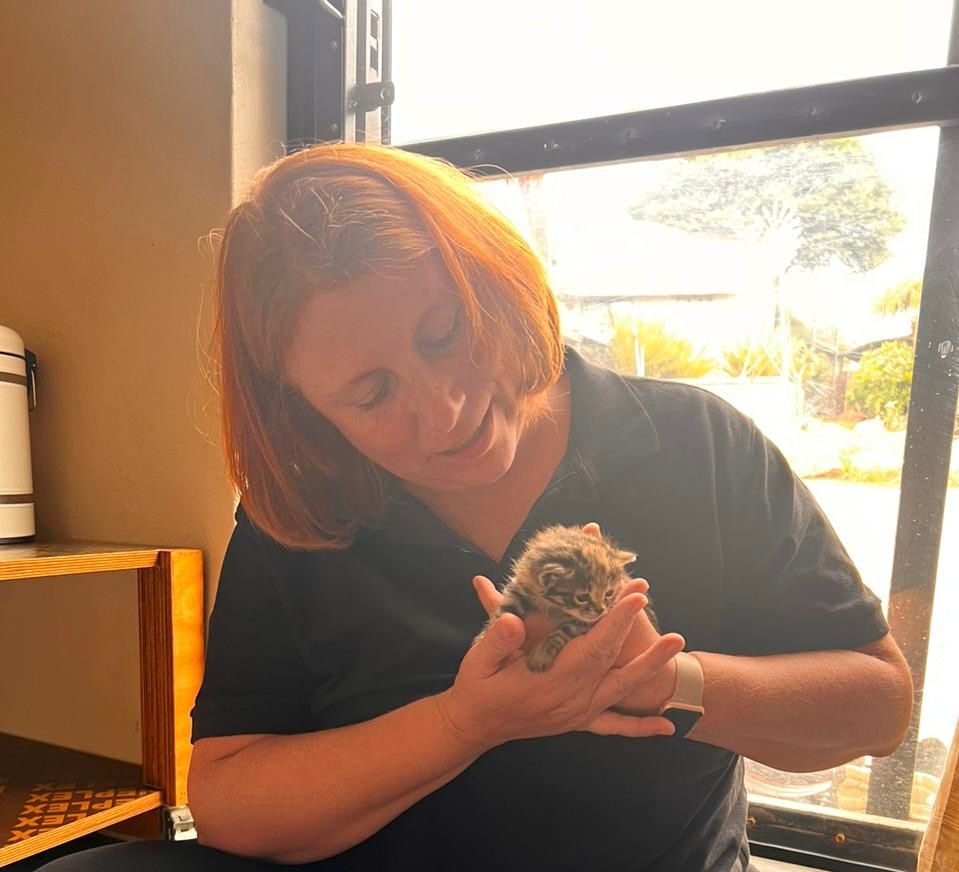
Karin Pienaar, C.A.B.
Karin Pienaar is an International Certified Animal Behaviourist with more than 25 years' experience working across companion animals and captive wildlife. She is the creator of MHERA™, a science-based methodology for understanding, measuring and improving animal emotional wellbeing, and serves as Chair of the Membership Subcommittee for The UK Dog Behaviour & Training Charter and sits on the African Association for Wildlife in Human Care Welfare Committee (AAWHC). Karin is the author of Mood Matters: MHERA – An Innovative Assessment Approach to Animal Emotionality (DogWise, 2023), lectures internationally on animal emotionality, and has refined and applied MHERA™ across hundreds of animals and multiple species.
- 1997Completes Animal Behaviour Science studies in the UK; begins practising in South Africa.
- The MHERA™ MethodologyDevelops MHERA™ – Mood State, Hedonic Budget, Emotionality and Reinforcement Analysis – as a practical framework for reading the emotion behind behaviour.
- Applied at scaleMHERA™ is successfully applied as an assessment protocol on hundreds of animals across mammals, birds, reptiles, amphibians and fish.
- Government & policy workContributes to South Africa's task team for safe pitbull ownership and the Department of Agriculture's GDARDE captive wildlife wellbeing protocols.
- 2023Publishes Mood Matters (DogWise), introducing the MHERA™ methodology to an international audience; later translated into Polish.
- TodayTeaches MHERA™ Practitioner courses for various institutions, and speaks at conferences, seminars and workshops locally and internationally.
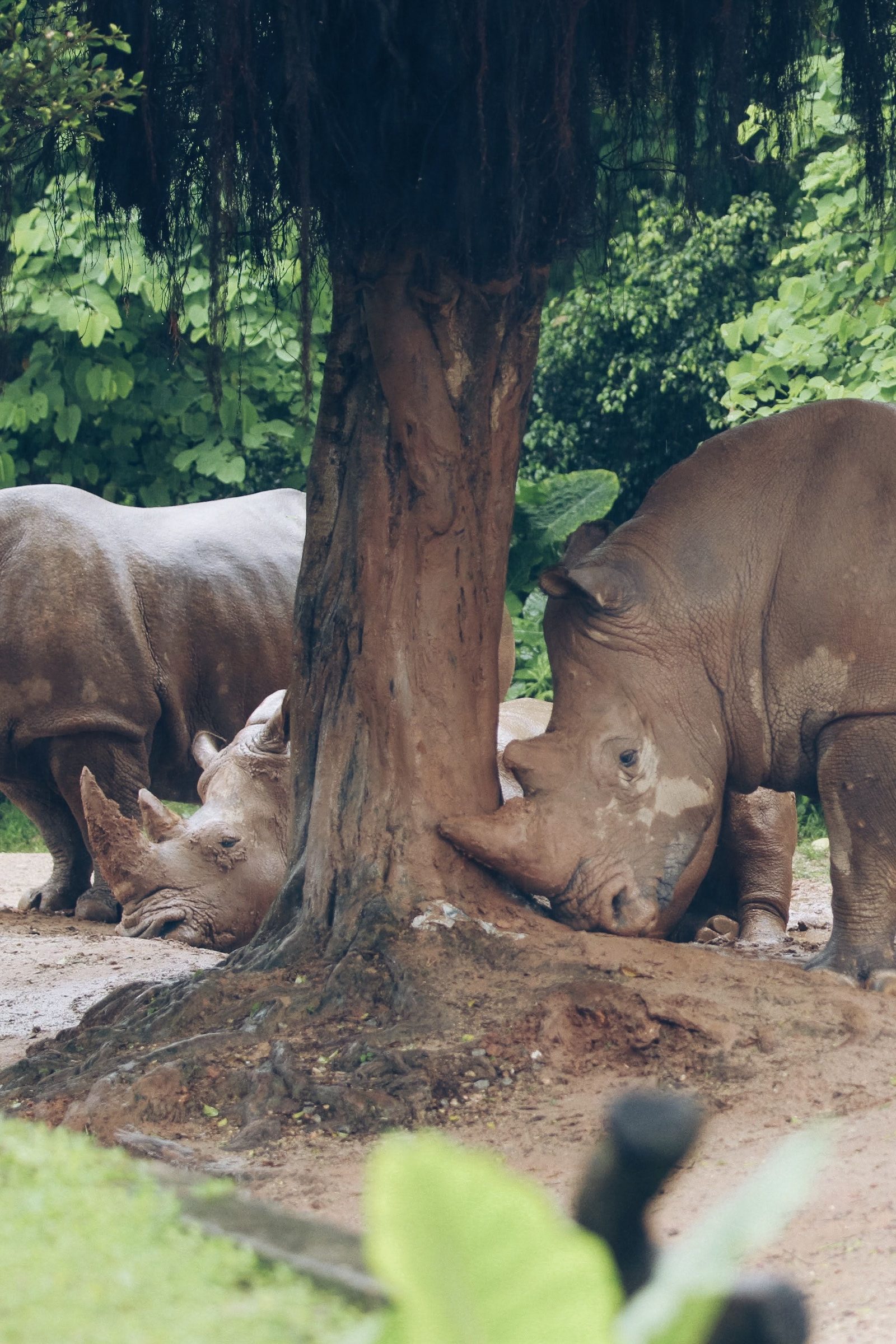
The four domains, in plain terms.
- Mood StateMeasures the animal's current affective state, including arousal, valence and cognitive bias.
- Hedonic BudgetMeasures the balance of positive and negative experiences across daily life.
- EmotionalityIdentifies the emotional systems driving observed behaviour.
- Reinforcement AnalysisEvaluates how consequences are strengthening or weakening behaviour over time.
Individual first, species-informed second.
Species-specific knowledge provides the starting point. MHERA™ then focuses on the individual animal, interpreting behaviour within their own emotional wellbeing, history and circumstances rather than relying on one-size-fits-all assumptions.
Learn to apply MHERA™ yourself.
Become a MHERA™ Wellbeing Practitioner, or bring the method into your practice with a guided demo.